 J. Vasc. Biol. 42, Sup:2 (2005) p10
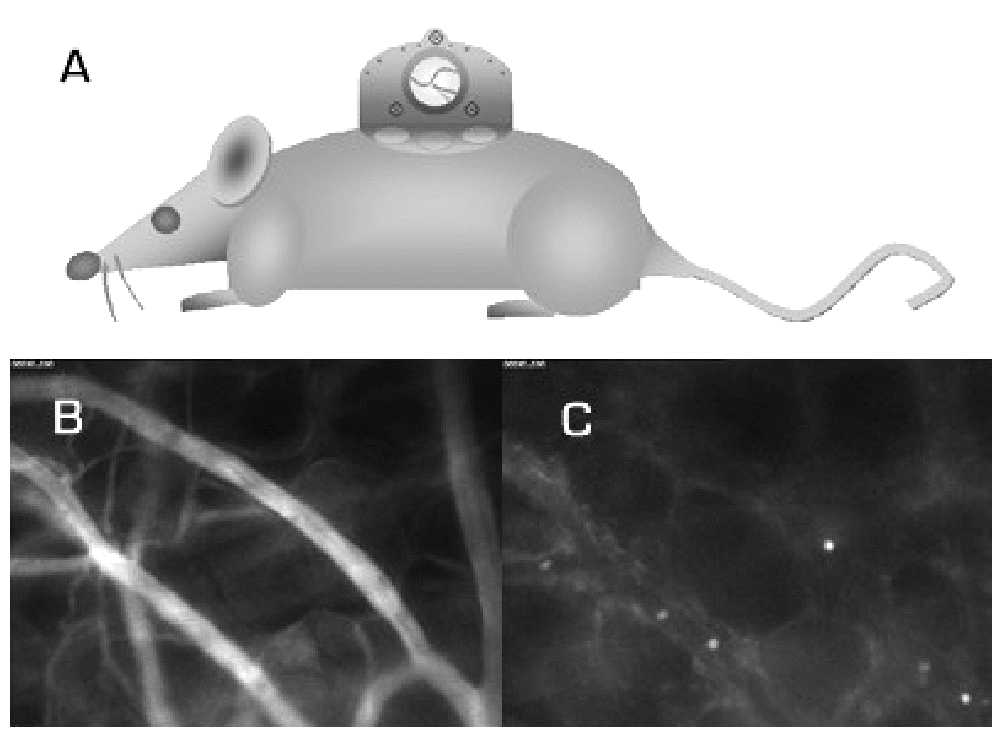
Dorsal skin-fold chamber (A), Measurement of VD (B) and LEI (C) in vivo
Morbidity and mortality in diabetic patients are determined by the vascular complications of the disease. Despite the impact of microcirculatory dysfunction in diabetic disease, little is known about these parameters during the development of diabetes mellitus type 2. Methods: We used UCP1/DTA mice at the age of 12 and 20 weeks respectively, expressing diphtheria toxin A-chain regulated by the promoter of the uncoupling-protein 1. The result is a brown fat deficiency with subsequent development of a metabolic syndrome and a diabetes mellitus type 2. A dorsal skin-fold chamber was implanted (A) and microcirculatory parameters were monitored quantitatively in vivo over nine days using a fluorescence microscope. Fluorescence tracers were injected intravenously to measure vascular density (VD) (B), Leukocyte-Endothelium-Interactions (LEI) (C) and microvascular permeability (P). Furthermore we injected insuline, glucose and triglycerides to control mice and measured microcirculatory parameters thereafter. Results: 20 weeks old UCP1/DTA mice showed a decrease in VD due to a remarkable reduction of small vessels. P and LEI were significantly increased. The altered parameters were correlated to the metabolic dysfunction represented by blood glucose levels. These functional and morphological alterations were also found in 12 weeks old mice, characterized by impaired glucose tolerance. However in 12 weeks old mice with a metabolic syndrome, alterations of microcirculatory parameters were not as much pronounced as in 20 weeks old mice. The stimulation tests with insuline, glucose and triglycerides in control mice showed no acute effects of insuline and triglycerides on microcirculatory parameters, whereas glucose led to an increase in P. Conclusion: From our data we concluded that the development of microvascular dysfunction is a dynamic process at least partially correlated to the elevated blood glucose levels. Mivrovascular alterations at the stage of impaired glucose tolerance underline the necessity of early diagnosis and treatment of the metabolic syndrome and of impaired glucose tolerance to prevent development of microvascular dysfunction. The diabetic model enables us to monitor time-dependent microvascular alterations during the development of diabetes mellitus and evaluate established as well as new anti-diabetic therapies using intravital fluorescence microscopy.